
How Many Porta Potties Do I Need for a Construction Site?
Start with OSHA 1926.51(c): 1 toilet seat for 20 workers or fewer, then 1 toilet seat and 1 urinal per 40 workers once you pass 20, and 1 seat and 1 urinal per 50 workers at 200 or more. That's the floor, not the comfort number. A 15-person framing crew technically clears the rule with a single standard porta potty rental, but line-ups at lunch will cost you productivity. Most Newton contractors we work with order 2 units once a crew tops 12 people, just to keep the line moving. If the job runs female and male crews together, or if you've got a foreman who wants an ADA-compliant unit on site regardless of headcount, that changes the math too - see our ADA accessible porta potty page for specs. Multi-week jobs near Waltham, 5.2 miles northwest of Newton, usually lock in a monthly porta potty rental instead of paying day rates. Check OSHA portable toilet requirements for the full bracket table before you order.
How Many Porta Potties Do I Need for an Event?
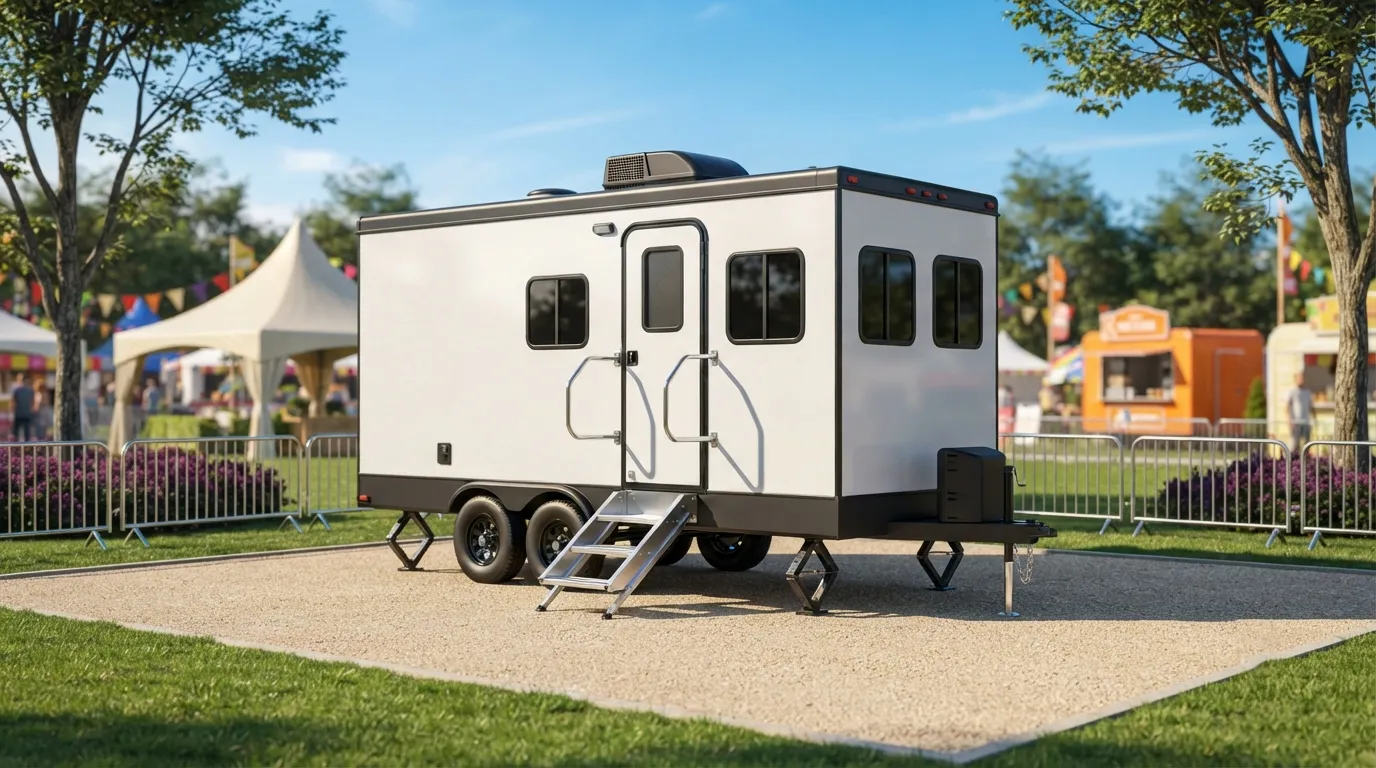
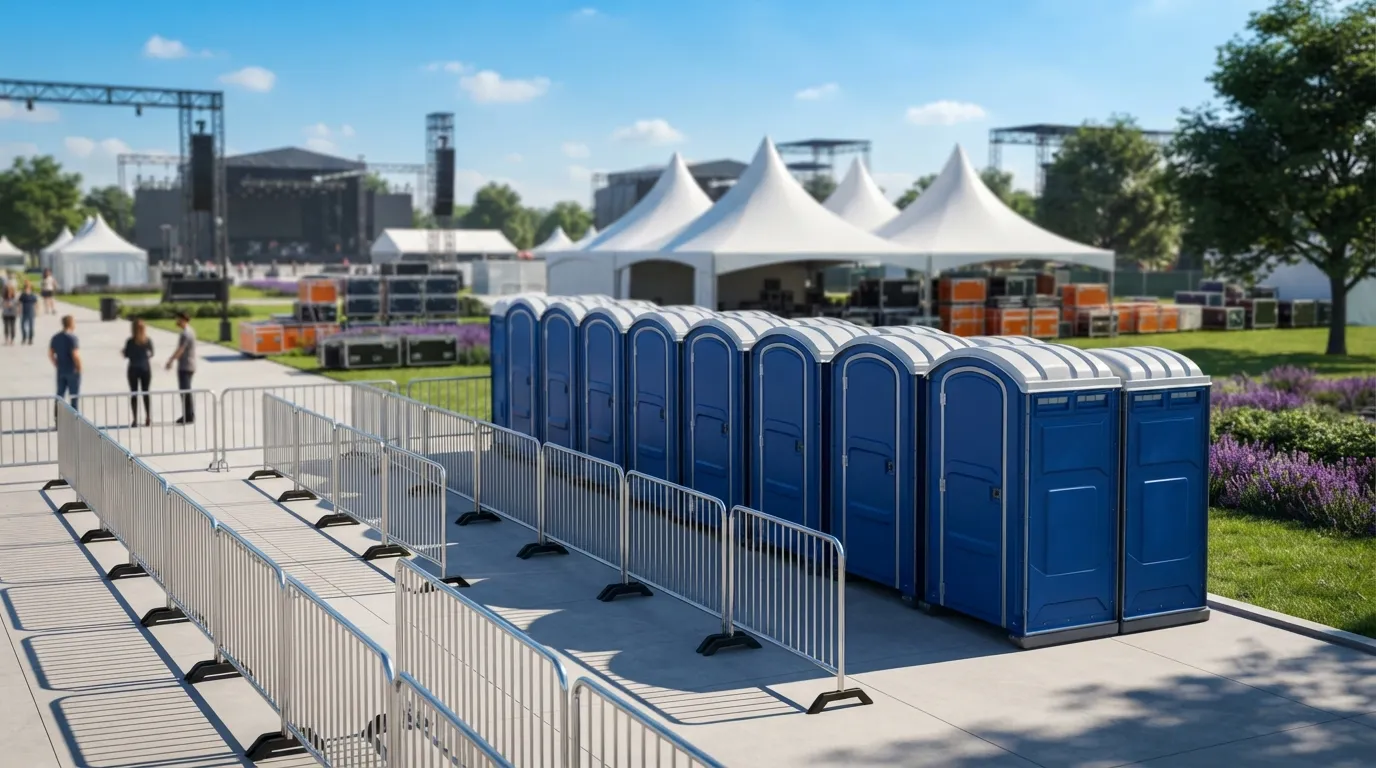
Event math runs on guest-hours, not worker-shifts. Plan on 1 unit per 50 to 75 people for a 4-hour event with no alcohol. Push past 4 hours, or serve alcohol, and that ratio tightens fast - alcohol alone can cut your per-unit capacity by close to half because people drink more, stay longer, and use the restroom more often. A wedding of 150 guests over 6 hours with a bar should plan for at least 4 to 5 standard units, or step up to a deluxe flushable porta potty or a restroom trailer rental if the venue expects it. For a backyard reception, a 2 stall restroom trailer often covers 100 guests comfortably. Bigger festivals or fairs need to plan by hour blocks, not just headcount - our festival restroom rental and county fair restrooms pages break that down further. Always add one ADA unit per ANSI/PSAI Z4.3 cluster guidance and ADA Standards 213.2, which requires at least 5 percent of clustered single-user units to be accessible, never fewer than one.
What's a Worked Example for a Jobsite?
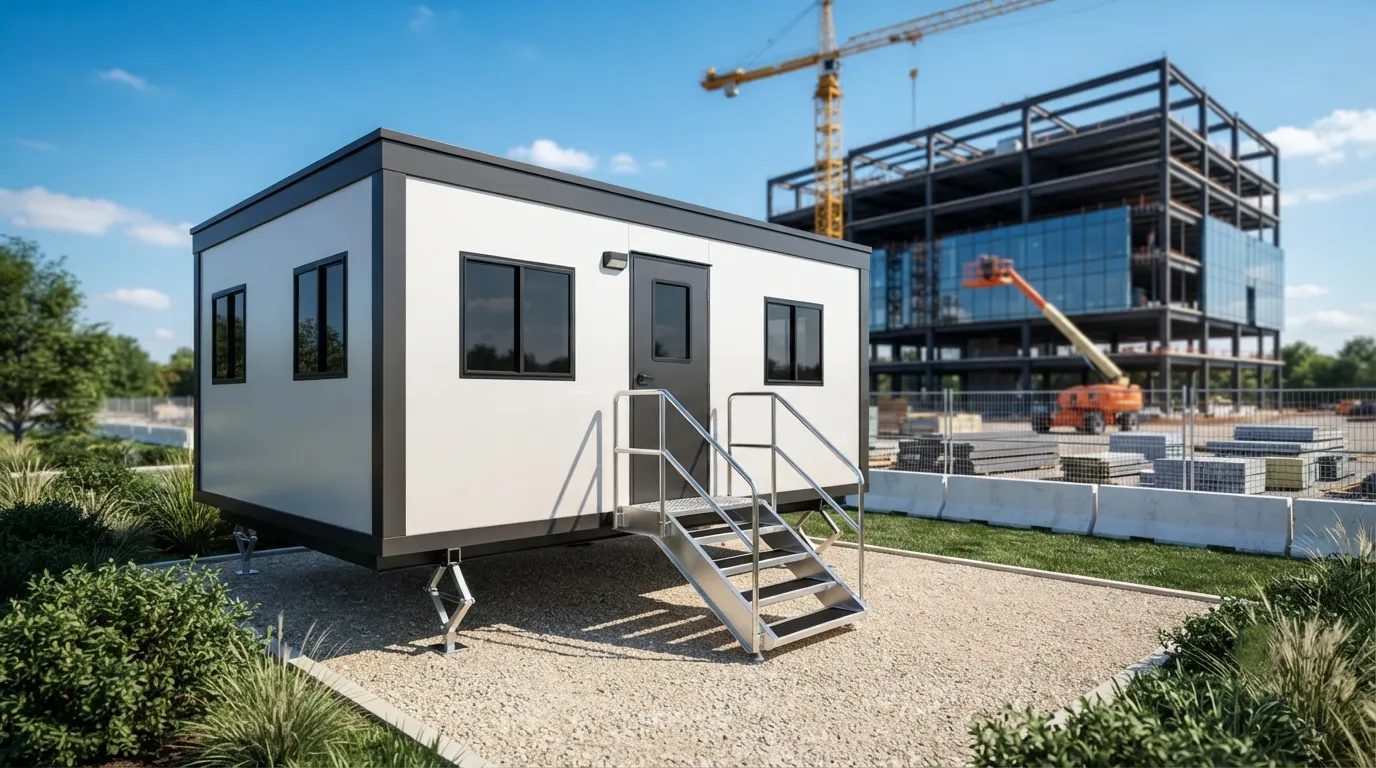
Take a 35-person crew working a single 10-hour shift, 5 days a week, on a renovation job. Under OSHA 1926.51(c), a crew of 21-40 needs 1 toilet seat and 1 urinal. That's the legal minimum: 1 combo unit. In practice, most site supers order 2 to 3 standard units to keep foot traffic moving and to cut walk time across a spread-out lot. At standard rates, that's still cheaper than losing labor hours to a line. If the crew is applying paint, coatings, or insecticide, OSHA 1926.51(f)(1) also requires washing facilities for that contaminant exposure - a handwashing station rental satisfies that alongside the toilets. Add a temporary fence rental around the unit cluster if the site borders a sidewalk or residential lot in Newton, since unsecured units near foot traffic tend to draw complaints. Renovation jobs closer to Somerville, 8.6 miles northeast, follow the same OSHA math regardless of city line.
What's a Worked Example for a Wedding?
A 180-guest wedding running 6 hours with an open bar is a good stress test. Start at 1 unit per 50-75 guests for the base 4 hours, which lands you around 3 standard units. Add one unit for the extra 2 hours, and add another for the alcohol service - that puts you at 5 units minimum, or 4 if you upgrade to a luxury restroom trailer with multiple stalls inside one footprint. A 4 stall restroom trailer comfortably covers a guest list this size without a cluster of individual units scattered across the lawn. Don't forget an ADA-compliant unit under ADA Standards 213.2, and check that the route to it meets ADA Standards 403.5.1's 36 inch clear width if guests in wheelchairs need to cross a lawn or gravel path. For a Natick venue 10.7 miles southwest of Newton, the same event math applies - distance doesn't change the headcount rule.
Do I Need More Units for Alcohol or Multi-Day Events?
Yes, plan for roughly one additional unit per 50 guests once alcohol is served, and add units again for each extra day of a multi-day event rather than assuming the same units can carry a longer run. A single-day festival with beer service and 500 attendees over 8 hours needs meaningfully more capacity than a dry corporate lunch with the same headcount. Multi-day builds - fairs, marathons, film shoots - also need a servicing plan, not just a bigger initial order. ANSI/PSAI Z4.3 sets a baseline service interval of once per week for up to 10 users across a 40-hour week; a 3-day event with heavy use will need service more often than that baseline assumes. Our emergency porta potty rental page covers rapid top-off service if a unit runs low mid-event. For anything spanning a marathon route or a multi-day fair, check marathon and race restrooms or golf tournament restrooms for spacing guidance specific to a moving or spread-out crowd.
How Many Cubic Feet and Tons Does a Dumpster Hold?
If your project needs both toilets and debris hauling, size the dumpster alongside the crew. A 10 yard dumpster runs about 10 feet long and holds roughly 135 cubic feet of debris, useful for a small renovation crew already covered by 1 porta john rental - that answers how many feet is a 10 yard dumpster and how many cubic feet in a 10 yard dumpster in one line. A 20 yard dumpster measures around 20 feet and holds close to 270 cubic feet, generally handling 2 to 3 tons depending on material - the usual range people mean when they ask how many tons does a 20 yard dumpster hold. Step up to a 30 yard dumpster and you're looking at around 400 cubic feet of capacity and up to roughly 4 tons for heavier debris like shingles or concrete, which is the figure behind how many tons can a 30 yard dumpster hold. A 40 yard dumpster tops out near 540 cubic feet, holds up to about 5 tons on the right load, and is the answer most people are after when they ask how many tons does a 40 yard dumpster hold or how many cubic feet in a 40 yard dumpster. Match dumpster size to crew size the same way you match toilets to crew size - see dumpster sizes and dimensions and dumpster weight limits for the full breakdown, and confirm what's allowed with what cannot go in a dumpster before you load it.
Where Do I Place the Units on a Newton Job Site or Venue?
Placement in the public right of way needs confirming with the city, so check with Newton before setting units on a sidewalk, curb strip, or street-facing easement. On private lots, keep the delivery path clear - a roll-off delivery needs about 60 feet of straight clearance behind the truck, and a standard porta potty unit needs a stable, level pad about 44 by 48 inches on the ground per unit. ADA Standards 405.2 caps ramp slope at 1:12 if you're bridging a curb or uneven grade to reach an accessible unit, and ADA Standards 304.3.1 calls for a 60 inch turning circle near the unit door. Keep units away from site power runs that fall under OSHA 1926.404(b)(1)(ii) GFCI protection zones. For guidance on distance from work areas, building entries, and foot traffic patterns, see our porta potty placement guide, and if you're unsure what Newton requires for permits, start with porta potty permit requirements.
How many porta potties do I need for 50 guests?
For a 4-hour event with no alcohol, 1 unit usually covers 50 guests. Add a second if the event runs past 4 hours, serves alcohol, or if guests will be spread across a large outdoor space like a park or field rather than clustered near one entrance.
How many porta potties do I need per person on a jobsite?
OSHA 1926.51(c) sets 1 toilet seat for crews of 20 or fewer, then 1 seat and 1 urinal per 40 workers up to 200. Most Newton contractors order extra units past 12-15 workers to cut wait times during breaks.
Do I need an ADA unit even for a small event?
Yes. ADA Standards 213.2 requires at least 5 percent of a clustered group of single-user units to be accessible, and never fewer than one - even for a small cluster of 2 or 3 units at a backyard event.
How many tons does a 30 yard dumpster hold?
A 30 yard dumpster generally carries up to roughly 4 tons, though the exact limit depends on material density. Concrete and shingles hit weight limits faster than bulky, lightweight construction debris.
How many cubic feet are in a 20 yard dumpster?
A 20 yard dumpster holds close to 270 cubic feet of debris and measures around 20 feet long. It's a common size for mid-size renovation or cleanout jobs across Newton.
Does alcohol service really change the unit count?
Yes. Guests drinking alcohol use restrooms more often and stay at events longer, which increases per-unit demand. Plan for roughly one extra unit per 50 guests once a bar or open alcohol service is part of the event.
Next step
Get a delivery date
Tell us the address, the dates and the headcount. We size the order and confirm the route.